

The government on Friday approved the 2026 state budget, setting total expenditures at 662 billion shekels — an increase of 40 billion from the original proposal. The move came after the Finance Ministry and Defense Ministry resolved the central dispute over next year’s defense allocation, agreeing on a budget of 112 billion shekels. The figure is roughly 30 billion shekels below the defense establishment’s opening demand and a little more than 20 billion above what the Treasury had initially sought. The agreement paved the way for approving the full budget.
Finance Minister Bezalel Smotrich’s deficit target of 3.2 percent, announced earlier this year, proved unrealistic. Ministers entered Thursday’s cabinet meeting with an updated projection of 3.6 percent, and by Friday the government formally approved a higher deficit of 3.9 percent for 2026.
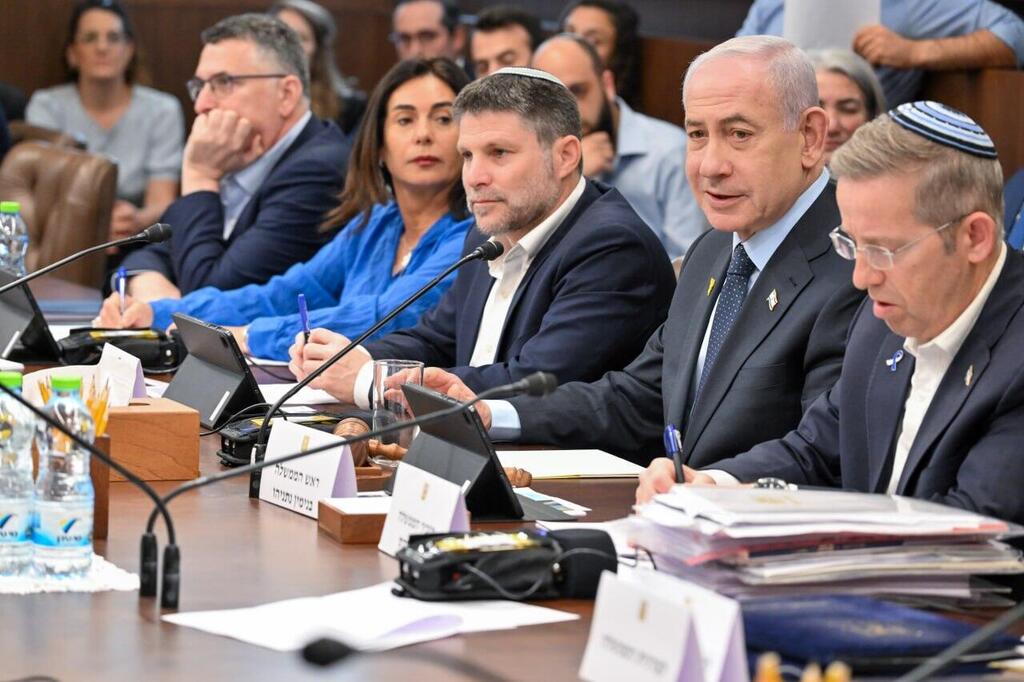
The Treasury said the approved framework allows the government to avoid tax hikes in the coming year and may even enable tax relief. Smotrich said the budget provides major resources for strengthening the IDF while supporting economic growth.
Import threshold doubled despite industry opposition
A contentious component of the Arrangements Law will raise the tax-free threshold for online imports from 75 dollars to 150 dollars on Jan. 1, despite heavy opposition from manufacturers and business groups.
Dairy reform approved after heated exchanges
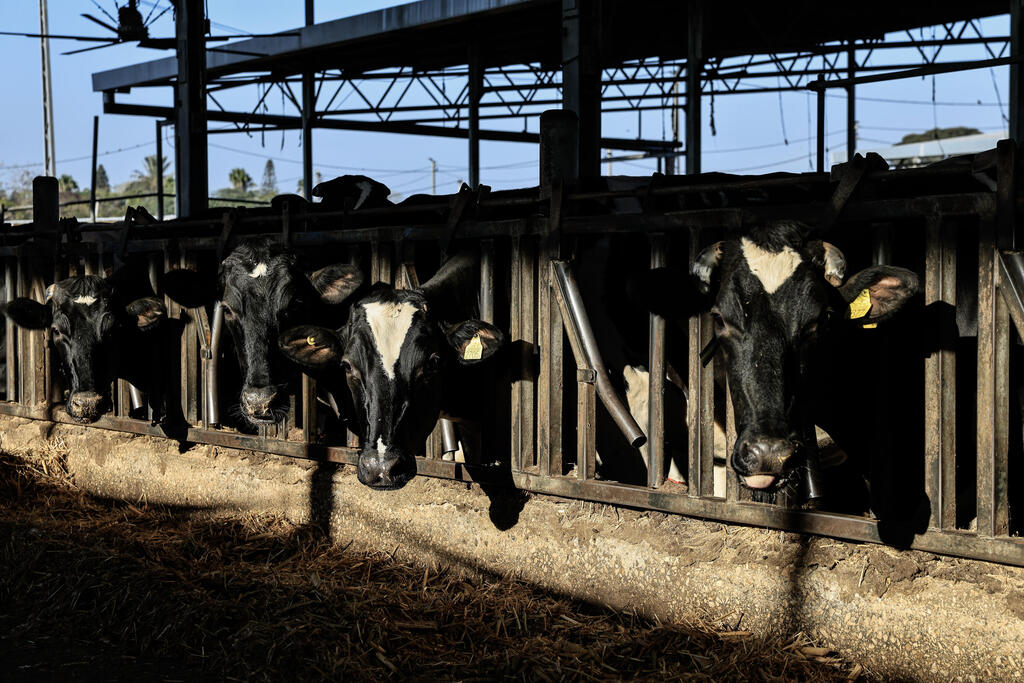
The dairy reform — which opens the sector to increased imports and ends the quota system — remained in the Arrangements Law and passed cabinet approval after a tense debate between Smotrich, Agriculture Minister Avi Dichter and Economy Minister Nir Barkat. Dairy farmers and the Agriculture Ministry opposed the move, warning of potential closures. Dichter voted against the reform, while Itamar Ben-Gvir and Amichai Eliyahu abstained.
Bank of Israel Governor Amir Yaron surprised ministers by endorsing the dairy reform, saying it is expected to benefit the economy. Prime Minister Benjamin Netanyahu addressed him directly during the meeting, reiterating support for the central bank’s independence while urging continued rate reductions.
Transport funding and new flights to Eilat
The budget allocates 20 million shekels per year in 2026 and 2027 to bolster public transportation. Treasury documents warn that road congestion costs Israel roughly 24 billion shekels annually and could reach 40 billion by 2040.
The government also approved 40 million shekels to support regular flights between Ben-Gurion Airport and Ramon Airport, aiming to secure affordable connectivity for residents of Eilat and the Arava.
Tourism VAT exemption preserved
A planned repeal of the VAT exemption for tourists was removed from the Arrangements Law after strong objections from the Tourism Ministry and industry groups, who argued it would harm an already weakened sector.
Education budget increases to 94 billion shekels
The Education Ministry reached an agreement with the Treasury setting its 2026 budget at roughly 94 billion shekels, including more than 4 billion in new funding for special education, emotional and therapeutic services, postwar support, STEM programs and infrastructure upgrades. Higher-education funding will be maintained, and a five-year, 1.3-billion-shekel plan was approved to create a national AI computing center.
Bank tax proposal gains traction
Smotrich also presented a plan to impose an ongoing tax on banks following record profits. The initiative drew support from ministers; Governor Yaron did not object.
Housing and planning reforms softened
A proposal to sharply reduce the share of long-term rental units required in large development zones was eased following resistance from the Planning Administration, which will now review feasibility before any reductions are considered.
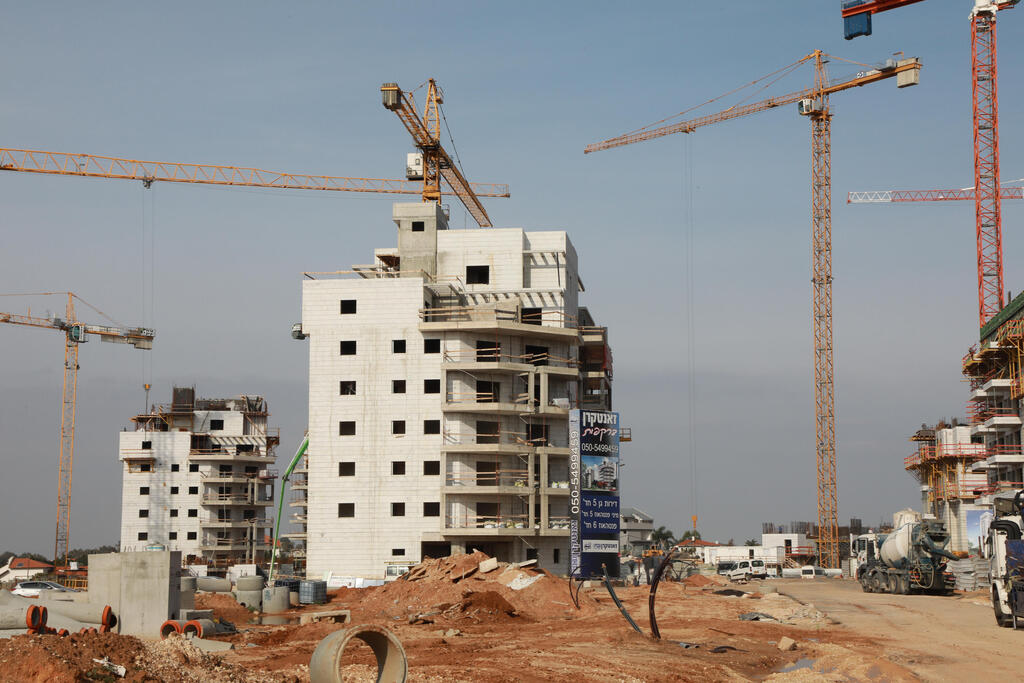
The government also moved to extend the fast-track planning committee (VATMAL) to August 2028. Agricultural groups formally objected, arguing the extension would harm farmland and that the housing crisis stems from failures in marketing and implementation, not planning capacity.
A new property-tax classification for residential units created in mixed-use buildings converted from employment zones was approved to strengthen municipal revenues.
Additional housing funds approved
The Treasury and Housing Ministry agreed to allocate about 700 million shekels to accelerate housing tenders, speed construction processes and subsidize development in peripheral regions. Another 250 million shekels will go toward renovation and maintenance of public-housing units.